· by Hanna Carolina · 7 min read
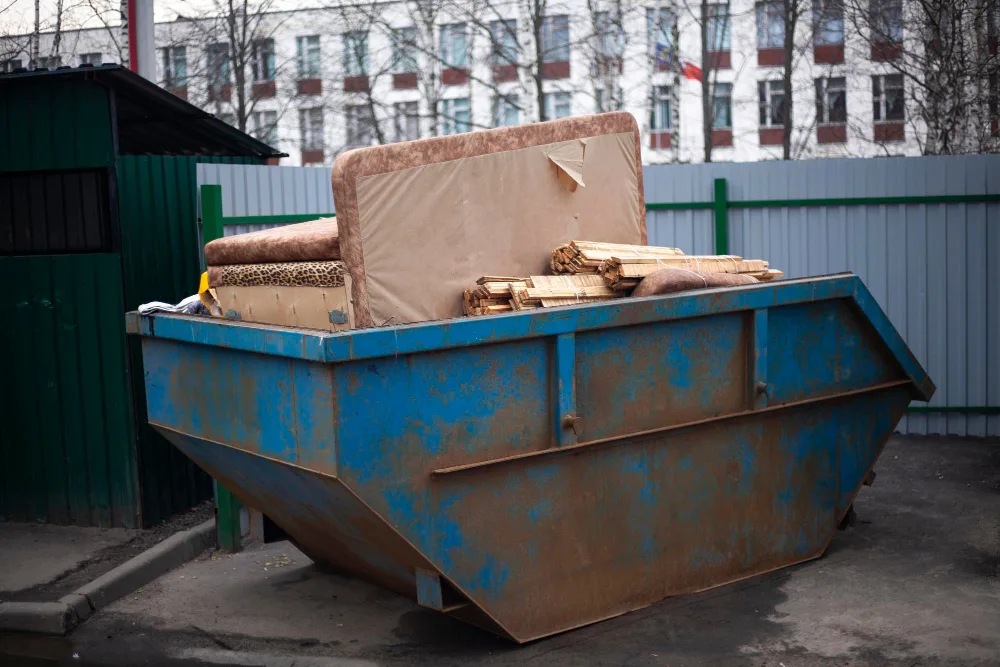
Brush clearing in Central Florida isn't like raking leaves in the North. Between our fast-growing palms, heavy oak branches, and the inevitable post-storm cleanup, yard waste accumulates faster than most homeowners expect. It’s easy to look at a pile of brush and think it’ll fit in a pickup truck, only to realize you’re looking at ten trips to the landfill.
We saw this happen just last month with a homeowner in Poinciana. He spent a weekend cutting back overgrown hedges and figured a small utility trailer would handle the debris. By Sunday afternoon, his trailer was full, but 80% of the pile was still on the lawn. He ended up needing professional junk removal to finish the job. If you want to avoid that headache, getting the right dumpster size is the first step.
Understanding Brush Clearing Waste
Brush clearing waste includes everything from tree limbs and palm fronds to shrub trimmings, grass clippings, and dug-up soil. While a single branch feels light, a dumpster full of them adds up quickly in both volume and weight.
In Kissimmee, our high humidity means vegetation holds significant water weight. A cubic yard of dry leaves might weigh 300 pounds, but if that same debris is wet from a recent thunderstorm, it can easily weigh over 1,000 pounds. Soil and sod are even heavier. When you mix heavy organic matter with bulky branches that create air pockets, estimating your needs gets tricky. You aren't just paying for space; you have to consider the density to ensure the truck can legally haul it away.
Factors Influencing Dumpster Size Selection
Several factors dictate whether you need a compact 12-yard bin or a massive 30-yard roll-off. The square footage of your property is the obvious starting point, but the type of vegetation matters just as much.
Vegetation Density: Clearing a 1/4 acre of sparse pine trees produces significantly less volume than clearing the same size lot covered in dense palmetto bushes and invasive vines. Palm fronds, specifically, are deceptive. They are bulky, hard to compress, and take up valuable air space in a container.
Equipment: Are you using a wood chipper? If you chip your branches, you can fit about 3-4 times more material into the same size dumpster compared to throwing in whole branches. However, chipped wood is much denser, so weight becomes a concern.
Local Regulations: Orange and Osceola counties have strict rules about what can go into landfills. Mixing regular trash with yard waste is often prohibited. When you schedule junk removal in Kissimmee Florida, complying with these sorting rules ensures you don't get hit with contamination fees.
Common Dumpster Sizes for Brush Clearing
Choosing the right size depends on the scale of your project. Here is a breakdown of the containers we typically drop off for yard work in neighborhoods like Buenaventura Lakes and Hunter's Creek.
10-Yard to 12-Yard Dumpsters
A 12-yard dumpster is roughly 12 feet long, 7.5 feet wide, and 4 feet tall. It holds about 4 pickup truck loads of debris. This size is perfect for minor landscaping updates, such as clearing out a flower bed, trimming a few hedges, or removing a small amount of sod. If you're doing a weekend cleanup of a standard suburban backyard, this is usually sufficient.
16-Yard Dumpsters
The 16-yard dumpster offers a middle ground, holding roughly 6 pickup loads. It’s about 13 feet long and 8 feet wide. This is often the go-to choice for medium-sized projects, like removing a few small trees or clearing out overgrown landscaping beds around the perimeter of a home. It gives you that extra buffer if your brush is fluffier than expected.
20-Yard Dumpsters
This is our most popular rental for residential landscaping. A 20-yard dumpster typically measures 14 feet long, 7.5 feet wide, and 6 feet tall, holding about 8 pickup loads. At a cost of roughly $350-$400 depending on the specific rental terms, it offers great value. It’s suitable for clearing medium-to-large yards, removing dense shrubbery, or handling cleanup after a severe storm. If you're looking for dumpster rental that balances capacity with footprint, this is the standard.
30-Yard Dumpsters
For major overhauls, the 30-yard dumpster is the heavy hitter. Measuring 17 feet long and 6 feet tall, it can hold approximately 4 tons (8,000 lbs) of debris. We recommend this size for large lots (0.5 acres or more), extensive tree removal projects, or clearing land for new construction. If you have significant acreage near Lake Toho or are clearing a neglected lot, don’t settle for anything smaller.
Step-by-Step Guide to Choosing the Right Dumpster Size
Estimating yard waste volume is difficult because nature doesn't come in square boxes. Follow these steps to get a more accurate estimate and avoid overpaying or ordering a second bin.
Step 1: Assess the Area
Walk the property and mark the boundaries of what needs clearing. Be honest about the height and density of the vegetation. A patch of tall grass is very different from a patch of wild blackberry bushes.
Step 2: Estimate Waste Volume
Visualize the debris in piles. A standard pickup truck bed holds about 2.5 cubic yards of loosely piled brush. If you think you'll have 8 truckloads of branches, a 20-yard dumpster is your target.
Step 3: Consider Waste Density
If you're digging up dirt or removing sod, you hit weight limits fast. Clean dirt weighs about 2,000 pounds per cubic yard. You can only fill a dumpster about halfway with dirt or concrete before it exceeds the legal hauling weight limit of the truck.
Step 4: Consult Local Experts
When in doubt, ask. We’ve been serving Central Florida for years and can usually tell you what size you need just by looking at a photo or hearing a description. If you'ren't sure if your project requires junk removal in Kissimmee Florida or a self-service rental, we can guide you.
Step 5: Factor in Buffer Space
Always size up. If your math says you have 18 yards of waste, get the 20-yard or even the 30-yard bin. You will almost always find "one more thing" to cut down once the work starts.
Tips for Efficiently Loading the Dumpster
How you load the dumpster changes how much you can fit inside. You can save money and space by packing your debris strategically.
Break Down Large Items: Don't throw a 10-foot branch into a 14-foot dumpster diagonally; it creates massive air pockets. Use a chainsaw to cut limbs into 2-foot or 3-foot sections so they lay flat.
Distribute Weight Evenly: Try to spread heavy logs and bags of soil across the floor of the dumpster rather than piling them all at the back door. This makes it safer for our drivers to load the bin onto the truck.
Avoid Overfilling: Debris cannot stick up over the top rail of the dumpster. It’s a safety hazard for other drivers on the road. If you overfill it, we can't haul it, and you’ll spend time unloading the excess.
Use Proper Safety Gear: Florida landscaping often hides fire ants, spiders, and sharp thorns. Always wear heavy gloves, eye protection, and sturdy boots when loading brush.
Ready to Clear Your Yard?
Whether you're tackling a weekend project in St. Cloud or clearing a commercial lot in Kissimmee, having the right disposal plan keeps your project on track. Don't let a pile of debris turn into a permanent lawn ornament.
Need help sizing your project? Contact Wasteville Dumpster & Demolition Services at (407) 565-2366 today. We’ll help you choose the perfect size so you can get your property looking its best.