· by Hanna Carolina · 6 min read
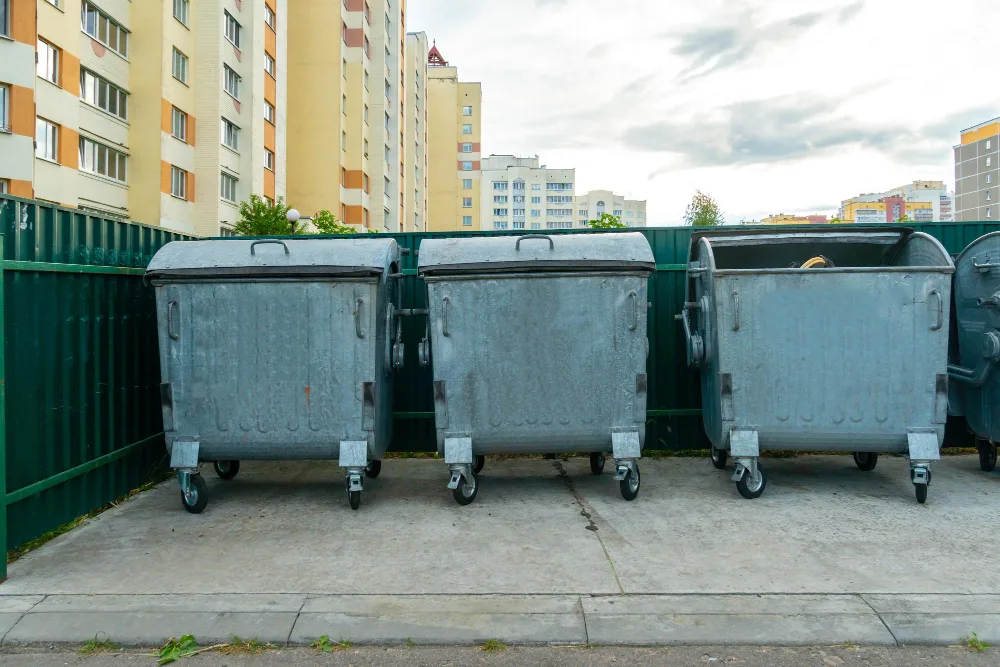
You’ve finally decided to clear out that garage on Fortune Road, or maybe you’re breaking ground on a kitchen renovation in St. Cloud. You look at the pile of debris and realize your standard trash bin won't cut it. You need something bigger, but how big? Choosing the wrong size can leave you paying for air or, worse, needing a second container.
Finding the right junk removal solution doesn't have to be a guessing game. Whether you're managing a home cleanout or a commercial job site, getting the size right saves you money and keeps your project on schedule. In our years serving Osceola County, we’ve seen plenty of folks overestimate what fits in a pickup truck. Here is how to pick the perfect roll-off container for your needs.
Understanding Dumpster Sizes
A "cubic yard" is a volume of 3 feet wide, 3 feet long, and 3 feet high. To visualize this, think of a standard washing machine. One cubic yard is roughly the size of that washer. If you have a pile of debris the size of 12 washing machines, you need a 12-yard dumpster.
While commercial businesses often use small 2 to 8-yard bins for weekly trash collection, residential projects and construction sites typically require roll-off dumpsters ranging from 12 to 30 yards. Here is what we stock at Wasteville and what fits in each:
12-Yard Dumpster
This is our most compact option. It measures 12 feet long, 7.5 feet wide, and 4 feet tall.
- Capacity: Holds about 4 pickup truck loads of debris.
- Best For: Small garage cleanouts, single-room bathroom renovations, or clearing out heavy debris like concrete (limitations apply).
- Why It Works: It fits easily in most driveways without blocking the sidewalk.
16-Yard Dumpster
Slightly longer than the 12-yarder, this unit is 13 feet long and 8 feet wide.
- Capacity: Holds roughly 6 pickup truck loads.
- Best For: Medium-sized kitchen remodels, roofing jobs (up to 30 squares of single-layer shingles), or cleanup after local festivals.
- Why It Works: It offers that extra bit of room for bulky items like cabinets or long lumber that might not fit in the 12-yarder.
20-Yard Dumpster
This is a versatile favorite for general construction. It measures 14 feet long and has higher walls at 6 feet tall.
- Capacity: Holds about 8 pickup truck loads.
- Best For: Partial home cleanouts, flooring removal for a large house, or larger roofing projects (up to 50 squares).
- Why It Works: The higher walls help contain lighter, voluminous materials like drywall or insulation that tend to pile up high.
30-Yard Dumpster
The big daddy of our fleet. It spans 17 feet long and stands 6 feet tall.
- Capacity: Holds roughly 12 pickup truck loads.
- Best For: Commercial office cleanouts, hoarding situations, or full home cleanouts.
- Why It Works: When you have large furniture, appliances, and unmatched volume, this ensures you only pay for one haul.
Assessing Your Waste Needs
Calculate your waste needs by visualizing your debris in terms of pickup truck loads. A standard pickup bed holds about 2.5 cubic yards when filled to the level. If you think your junk would fill a pickup truck four times, a 10 or 12-yard dumpster is your safe bet.
Consider the type of waste, too. Heavy materials like dirt, rock, or concrete can hit weight limits long before they fill the dumpster's volume. For example, our 12-yard dumpster includes 1 ton of disposal, while the 30-yard includes 4 tons. If you're tearing up a driveway, you need to account for density, not just space.
Matching Dumpster Size to Your Project
Matching your dumpster size correctly prevents overage fees and ensures efficient removal. For most residential driveway projects in neighborhoods like Celebration or Poinciana, a 16-yard or 20-yard unit strikes the right balance between capacity and footprint.
Here are our recommendations based on common Central Florida projects:
- Home Cleanouts: For a spring cleaning of a garage or attic, a 12-yard dumpster usually suffices. If you're clearing out a whole house, perhaps an estate cleanout in Winter Park, step up to a 30-yarder.
- Landscaping: Yard waste takes up surprising space. Tree branches and shrubs are fluffy. A 16-yard dumpster allows you to pack them down.
- Roofing: Asphalt shingles are heavy. For a standard 2,500 sq. ft. roof, a 20-yard dumpster is typically required to handle the weight of the shingles and the volume of the old underlayment.
- Events: Hosting a community event? Dumpster rental volume depends on attendance, but a 16-yard unit is often perfect for managing trash bags and food waste from festivals.
If you're looking for dumpster rental Kissimmee Florida, remember that local heat and humidity can make trash smell fast. Choosing a size that fits everything in one go means we can haul it away sooner, keeping your property clean and pest-free.
Cost Considerations
Dumpster rental pricing is influenced by the size of the container, the rental duration, and the weight of the debris. In the Kissimmee area, you want transparent pricing that includes delivery, pickup, and disposal fees so you'ren't hit with surprises.
At Wasteville, we structure our pricing to be all-inclusive:
- 12-Yard: Includes 1 ton of weight and a 7-day rental.
- 16-Yard: Includes 2 tons and up to 10 days.
- 20-Yard: Includes 3 tons and up to 14 days.
- 30-Yard: Includes 4 tons and up to 14 days.
Going too small can cost you double if you need a second swap-out. Going too high costs a bit more upfront but guarantees you finish the job without logistical headaches. Balancing cost with convenience is key. If you think you're on the borderline between sizes, we almost always recommend sizing up. The price difference is usually smaller than the cost of a second delivery.
Local Regulations and Compliance
In Osceola and Orange counties, placing a dumpster on your own driveway typically does not require a permit. However, if you need to place the bin on a public street, sidewalk, or right-of-way, you will likely need a permit from the city or county.
Failure to get a permit can result in fines or the dumpster being removed before you're done. Also, be mindful of HOA rules. Many communities in places like Lake Nona or Hunter's Creek have strict guidelines on how long a dumpster can be visible. We recommend checking with your property manager before booking your dumpster rental Kissimmee Florida.
Optimizing Waste Management Practices
You can save space in your dumpster by breaking down items before tossing them in. Flatten cardboard boxes, disassemble furniture, and place flat items on the bottom. This prevents "air pockets" that waste valuable cubic yardage.
Keep the area around your dumpster safe. Don't let debris pile up over the rim—it’s unsafe for transport, and our drivers can't haul an overloaded bin. Keeping the load level ensures a smooth pickup and keeps our local roads safe from falling debris.
Making the Right Choice
Choosing the right dumpster size involves a simple assessment of your debris volume, weight, and project type. Whether you need a compact 12-yarder for a bathroom refresh or a massive 30-yarder for a hoarder's cleanout, getting the size right saves you time, money, and stress.
When you're ready to start your project, we are here to help you clear the way. For reliable dumpster rental Kissimmee Florida residents trust, reach out to our team.
Need help sizing your project?
Contact Wasteville Dumpster & Demolition Services at (407) 565-2366 for a free consultation and estimate.